How to Measure for a Kilt at Home (Step-by-Step Guide for Beginners)

Getting the perfect kilt starts with one crucial step: accurate measurements. Unlike regular pants, kilts sit differently on the body and require specific sizing to ensure comfort, proper drape, and a sharp appearance. If you’re wondering how to measure for a kilt at home, you’re in the right place.
This step-by-step guide will walk you through everything you need to know so you can confidently order a kilt that fits perfectly—without needing a professional tailor.
Why Proper Kilt Measurements Matter
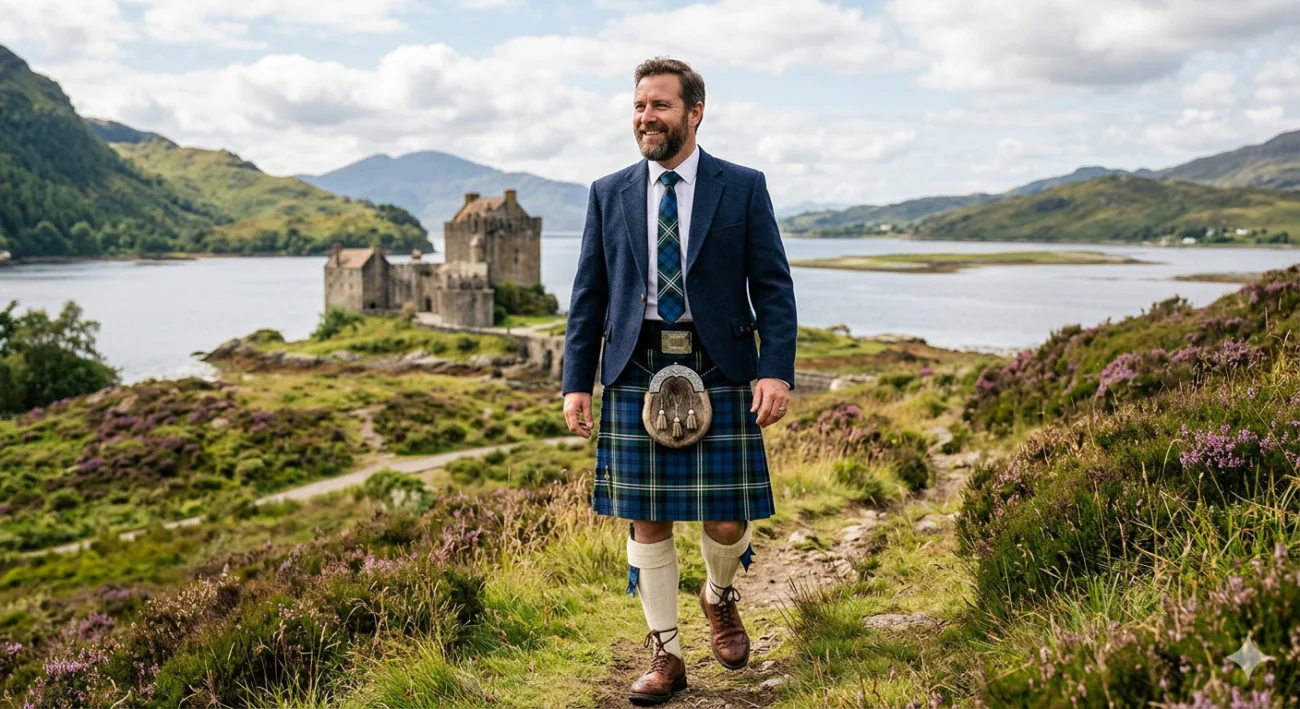
A kilt is not worn like standard trousers. It sits higher on the waist, typically around the navel, and falls to the middle of the knee. Because of this unique fit, incorrect measurements can lead to discomfort, poor appearance, and an awkward fit.
Taking accurate measurements ensures:
- A clean and structured look
- Proper length and drape
- Maximum comfort throughout the day
What You’ll Need Before You Start
Before taking your measurements, make sure you have the following:
- A flexible measuring tape
- A mirror (or someone to help you)
- A notepad or phone to record measurements
- Lightweight clothing (or measure over underwear for accuracy)
Avoid using metal tapes or guessing sizes—precision is key here.
Step-by-Step Guide to Measuring for a Kilt
1. Measure Your Waist (Not Your Pant Size)
This is the most important measurement.
Unlike jeans or trousers, a kilt is worn at your natural waist, which is around your belly button—not your hips.
How to measure:
- Wrap the measuring tape around your waist at navel level
- Keep it snug but not tight
- Stand relaxed and breathe normally
👉 Tip: Don’t rely on your pant size—it’s usually lower and will give incorrect results.
2. Measure Your Hips
The hip measurement ensures the kilt fits comfortably around the widest part of your lower body.
How to measure:
- Stand with your feet together
- Wrap the tape around the fullest part of your hips and seat
- Keep the tape level and not too tight
This measurement helps prevent the kilt from feeling restrictive when sitting or moving.
3. Measure the Kilt Length
Kilt length determines how it looks when worn. Too long or too short can ruin the overall appearance.
How to measure:
- Kneel straight on the floor
- Measure from your waist (navel level) down to the middle of your kneecap
👉 The ideal kilt length should end right at the center of your knee.
4. Double-Check Your Measurements
Accuracy matters, so always measure at least twice. Small errors can make a big difference in fit.
If possible, ask someone to help you—especially for length and hip measurements.
Common Mistakes to Avoid
Even a small mistake can lead to an ill-fitting kilt. Here are some common errors beginners make:
- Measuring at the hips instead of the waist
- Pulling the tape too tight or leaving it too loose
- Using pant size instead of actual measurements
- Standing incorrectly while measuring length
Avoiding these mistakes will save you time, money, and frustration.
Should You Add Extra Inches?
In most cases, you should not add extra inches unless the manufacturer specifically recommends it. Modern kilt makers usually include allowances for comfort and movement.
Always follow the sizing guide provided by the seller or brand you’re ordering from.
Measuring for Different Types of Kilts
While traditional kilts follow standard measurements, modern variations like utility kilts or hybrid kilts may have slight differences.
- Traditional kilts: Require precise waist, hips, and length
- Utility kilts: Sometimes sit slightly lower, but waist measurement is still key
- Casual kilts: May offer more flexibility but still need accurate sizing
Always check the product description to ensure you’re measuring correctly for that specific style.
Tips for the Perfect Fit
- Measure while standing straight but relaxed
- Wear minimal clothing for accurate results
- Keep the tape level all the way around your body
- Record measurements immediately to avoid confusion
If you’re between sizes, it’s usually better to follow the brand’s recommendation rather than guessing.
Can You Measure Yourself or Do You Need Help?
You can absolutely measure yourself, but having someone assist you can improve accuracy—especially for length and hips.
If you’re unsure, many online kilt retailers also offer sizing support or guides to help you get it right.
Final Thoughts
Learning how to measure for a kilt at home isn’t complicated, but it does require attention to detail. By measuring your waist at the correct position, checking your hips, and ensuring proper length, you can achieve a perfect fit without professional help.
A well-fitted kilt not only looks better but also feels more comfortable and boosts your confidence. Whether you’re buying your first kilt or upgrading your wardrobe, taking the time to measure correctly is always worth it.
FAQs
1. Where should a kilt sit on the waist?
A kilt should sit at your natural waist, which is around your belly button—not your hips like regular pants.
2. How long should a kilt be?
A kilt should fall to the middle of your kneecap for a traditional and proper look.
3. Can I use my jeans size for a kilt?
No, jeans sizes are not accurate for kilts. Always take fresh measurements using a measuring tape.
4. Should kilt measurements be tight or loose?
Measurements should be snug but not tight. You should be able to breathe comfortably without the tape digging in.
5. Is it better to size up or down for a kilt?
It’s best to follow the brand’s sizing guide. Avoid guessing—accurate measurements are more reliable than sizing up or down.