
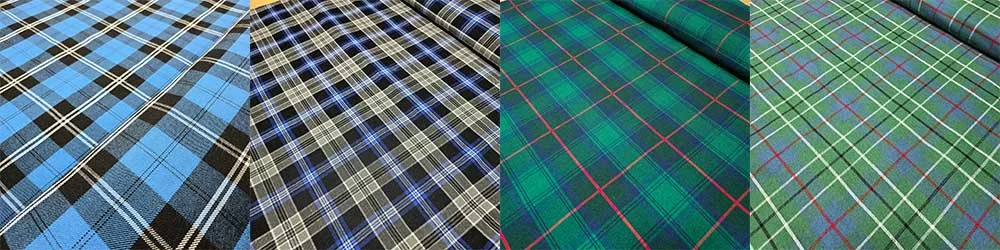
Difference Between Plaid and Tartan Explained: Everything You Need to Know


If you’ve ever shopped for kilts, scarves, shirts, or other Scottish-inspired clothing, you’ve probably come across the terms plaid and tartan. Many people use these words interchangeably, assuming they mean the same thing. While plaid and tartan are closely related, they are not exactly identical.
Understanding the difference between plaid and tartan can help you make more informed fashion choices, appreciate Scottish heritage, and choose the right patterns for your wardrobe. Whether you’re purchasing your first kilt or simply exploring Scottish fashion, this guide will explain everything you need to know.
What Is Tartan?
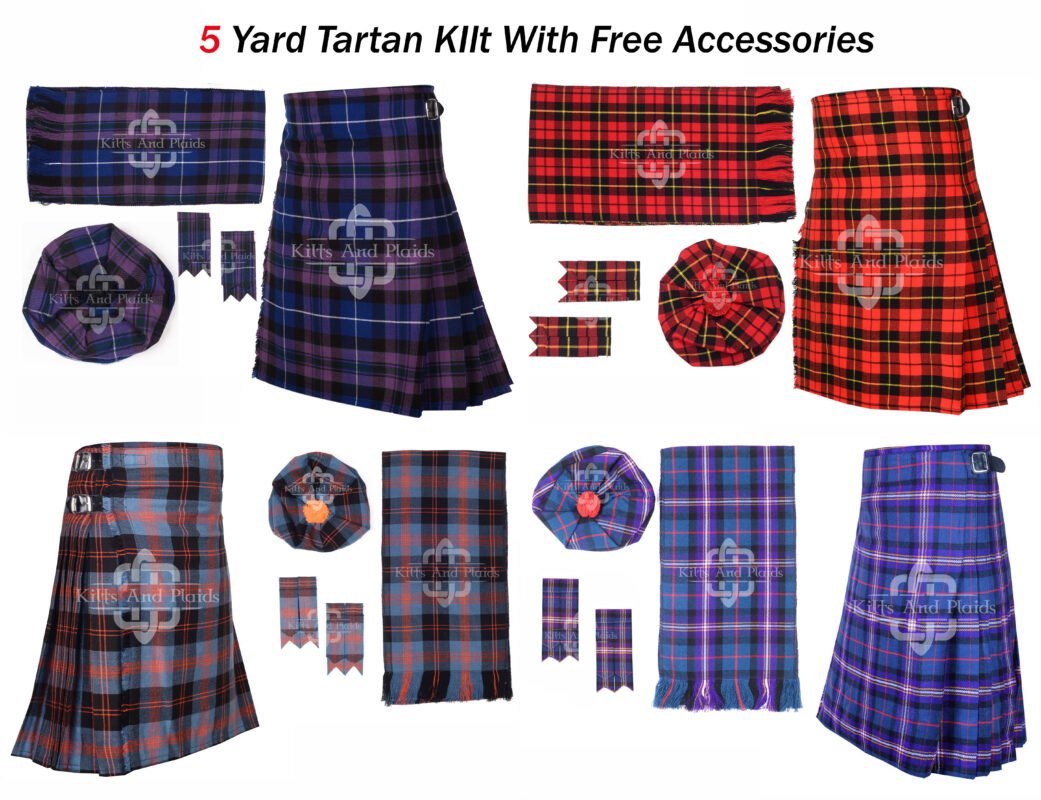
Tartan is a patterned textile consisting of crisscrossed horizontal and vertical bands of multiple colors. These patterns are woven directly into the fabric rather than printed onto it.
Traditionally, tartans have deep roots in Scottish culture and history. Many tartan patterns are associated with specific Scottish clans, families, districts, military regiments, or organizations.
Each tartan pattern is created using a unique sequence of colored stripes known as a “sett.” This sett determines the design and distinguishes one tartan from another.
Some of the most famous tartans include:
Today, there are thousands of registered tartans used worldwide.
What Is Plaid?
The term “plaid” has different meanings depending on where you are in the world.
In North America, plaid generally refers to any fabric pattern featuring crossed horizontal and vertical stripes. Most people use the word plaid to describe a style of pattern regardless of its origin.
For Example:
In Scotland, however, the word plaid traditionally referred to a large piece of tartan cloth worn over the shoulder as part of Highland dress.
Over time, especially in the United States and Canada, “plaid” became a general fashion term for checkered patterns.
The Main Difference Between Plaid and Tartan
The simplest way to understand the difference is:
All Tartans Are Plaids, But Not All Plaids Are Tartans
Tartan:
- Has Scottish origins
- Uses a specific woven pattern called a sett
- Often connected to clans, families, or organizations
- Follows traditional design structures
Plaid:
- Refers to a broader pattern category
- May or may not have Scottish heritage
- Can be woven or printed
- Often used in general fashion design
This distinction is why every tartan can technically be described as plaid, but many plaid patterns would not qualify as tartans.
The Historical Origins of Tartan
Tartan has been part of Scottish culture for centuries. Evidence of tartan-like fabrics dates back thousands of years, but tartan became particularly associated with Highland Scotland during the 16th and 17th centuries.
Scottish clans eventually adopted specific tartan patterns as symbols of family identity and regional pride.
Following the Jacobite Rising of 1745, traditional Highland dress was temporarily banned under the Dress Act. Despite this period of restriction, tartan survived and later became one of the most recognizable symbols of Scottish heritage.
Today, tartans are officially recorded and registered through recognized tartan registries.
Why Tartans Matter in Scottish Culture
For many Scots and those with Scottish ancestry, tartans represent:
- Family heritage
- Clan identity
- Regional history
- Military affiliations
- Cultural pride
Certain tartans are reserved for specific clans, while others are considered universal and can be worn by anyone.
Popular universal tartans include:
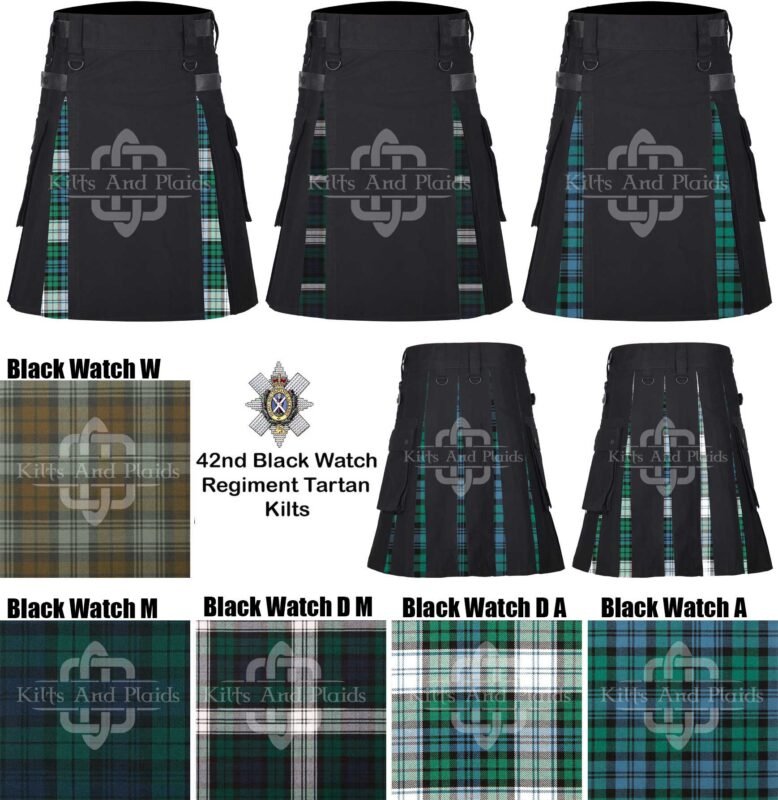
- Black Watch
- Hunting Stewart
- Jacobite Tartans
Common Uses for Tartan
Tartan remains one of the most popular fabrics in Scottish fashion.
You’ll commonly find tartan in:
Its versatility makes tartan suitable for both traditional and modern fashion.
Common Uses for Plaid
Because plaid is a broader category, it appears across countless fashion products worldwide.
Examples include:
- Flannel shirts
- Casual jackets
- Handbags
- Home furnishings
- Seasonal fashion collections
Many plaid designs have no direct connection to Scottish heritage but still use similar intersecting stripe patterns.
Tartan vs Plaid in Modern Fashion
In today’s fashion industry, the distinction between plaid and tartan is often blurred.
Retailers frequently use the terms interchangeably because many consumers are more familiar with the word “plaid.”
For example:
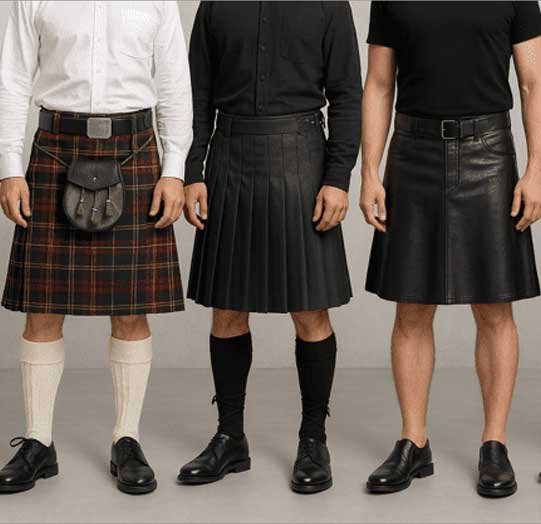
A Scottish clan kilt might be described as:
- Tartan Kilt
- Plaid Kilt
Both descriptions may refer to the same garment.
However, from a historical and cultural perspective, “tartan” is the more accurate term when discussing authentic Scottish patterns.
How to Identify a True Tartan
If you’re wondering whether a pattern is a genuine tartan, consider the following:
Check for Registration
Many tartans are officially recorded in tartan registries.
Look for Repeating Setts
Authentic tartans typically follow a precise repeating pattern.
Research Clan Associations
Many tartans have known connections to Scottish clans or organizations.
Examine Fabric Construction
Traditional tartans are woven rather than simply printed.
Which Should You Choose: Plaid or Tartan?
The answer depends on your purpose.
Choose Tartan If You Want:
- Authentic Scottish heritage
- Traditional Highland wear
- Clan representation
- Formal kilt attire
- Cultural significance
Choose Plaid If You Want:
- Casual fashion
- Everyday styling
- Modern trends
- Non-traditional designs
- Greater pattern variety
Both options can be stylish, but tartan offers a deeper historical and cultural connection.
Popular Tartan Choices for Beginners
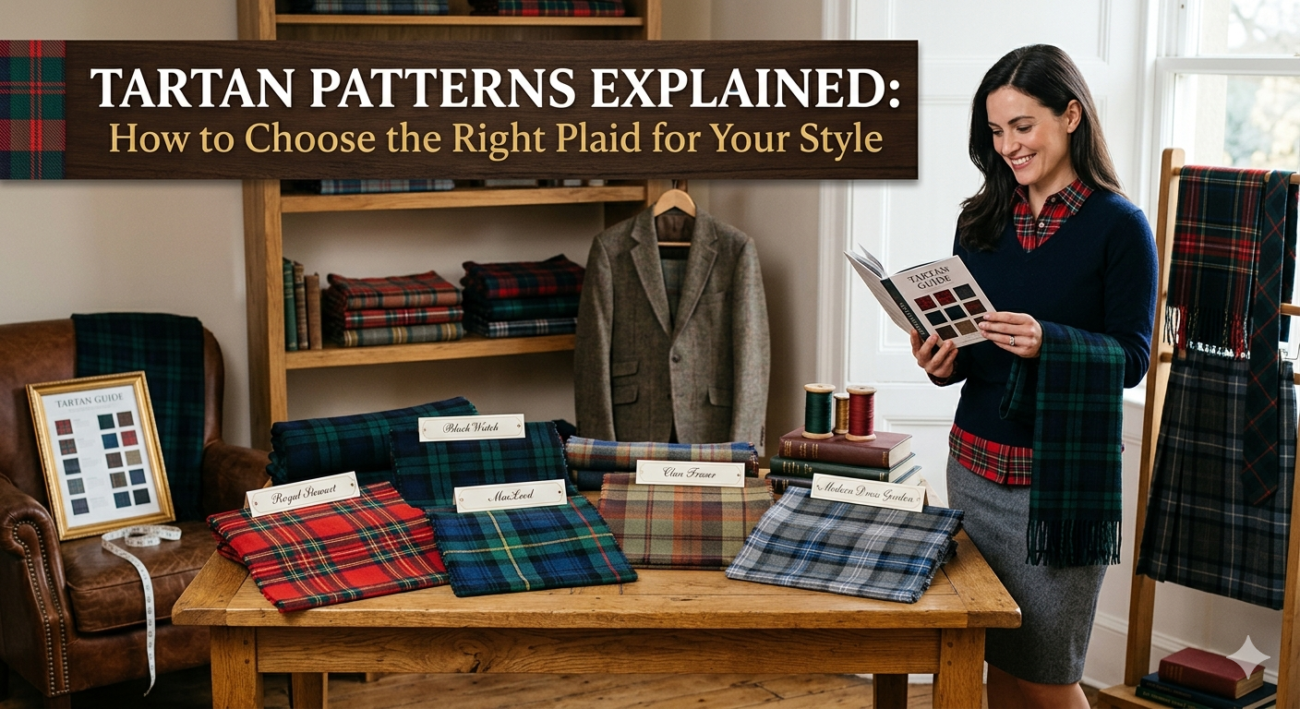
If you’re new to tartans, consider these popular patterns:
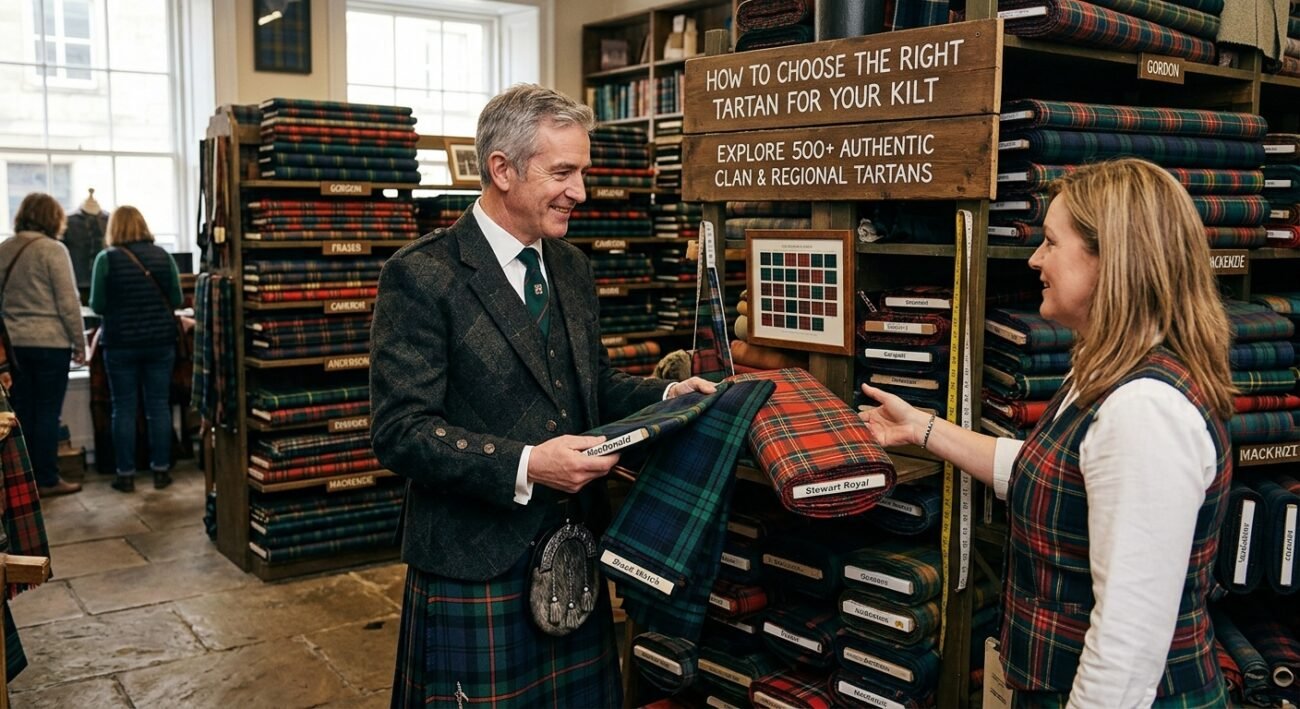
Royal Stewart Tartan
One of the most recognizable tartans in the world, featuring vibrant red tones.
Black Watch Tartan
Known for its versatile dark green and navy appearance.
Dress Gordon Tartan
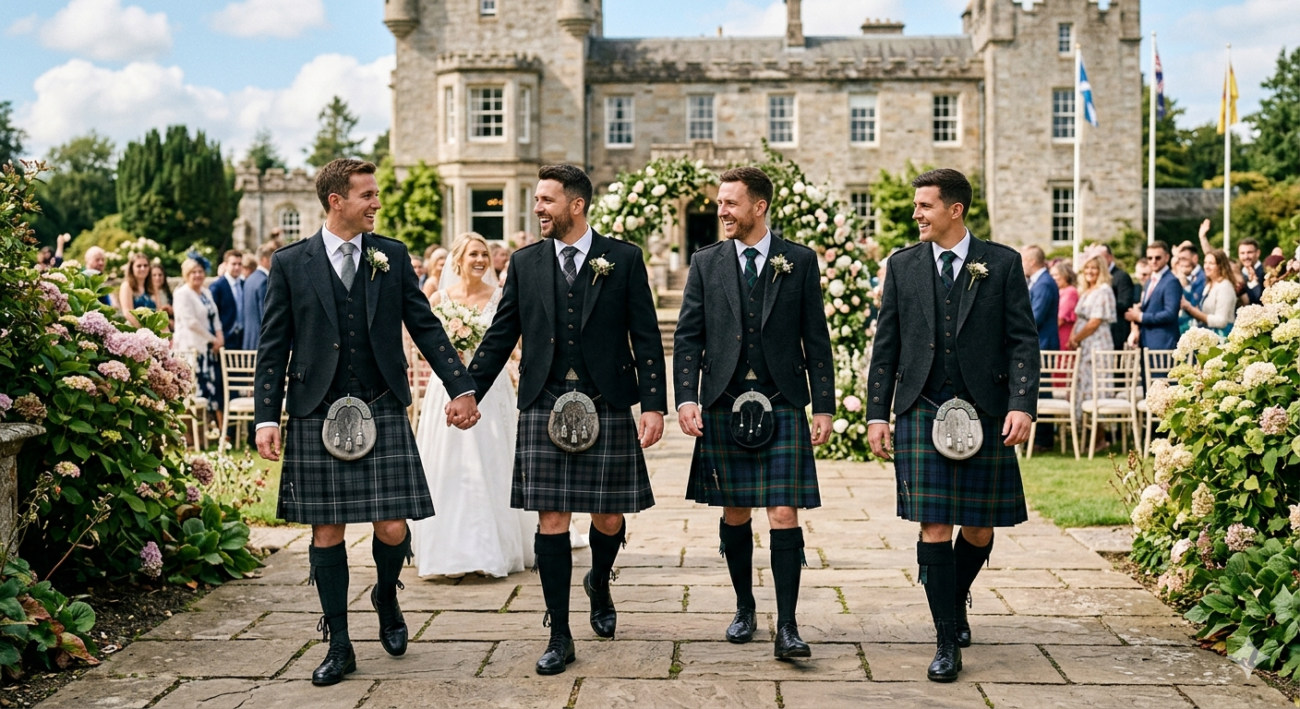
A popular formal tartan often worn at weddings and ceremonies.
MacKenzie Tartan
A classic tartan with strong historical significance.
These tartans work well for kilts, scarves, ties, and other accessories.
Final Thoughts
Although the terms plaid and tartan are often used interchangeably, they are not exactly the same. Tartan refers specifically to traditional Scottish woven patterns with unique historical and cultural significance, while plaid serves as a broader term describing crisscrossed patterns used in fashion worldwide.
Understanding this distinction can help you make better purchasing decisions, appreciate Scottish heritage, and select patterns that best suit your style and purpose.
Whether you’re choosing a kilt, scarf, bow tie, or simply exploring Scottish fashion, knowing the difference between plaid and tartan allows you to wear these iconic patterns with greater confidence and appreciation.
Frequently Asked Questions
1. Is tartan the same as plaid?
Not exactly. Tartan is a specific type of plaid pattern associated with Scottish heritage, while plaid is a broader term used for many intersecting stripe patterns.
2. Why do Americans call tartan plaid?
In North America, the word plaid evolved into a general fashion term describing checkered patterns, regardless of Scottish origins.
3. Can anyone wear a tartan?
Yes. Many tartans are available for public use, although some are associated with specific clans or organizations.
4. What is the most famous tartan?
Royal Stewart Tartan is widely considered one of the most recognizable tartans in the world.
5. Are all plaid patterns Scottish?
No. Many plaid patterns are purely fashion designs with no connection to Scottish tartans or clan heritage.