Blog
How to Choose the Right Tartan for Your Kilt

Intro
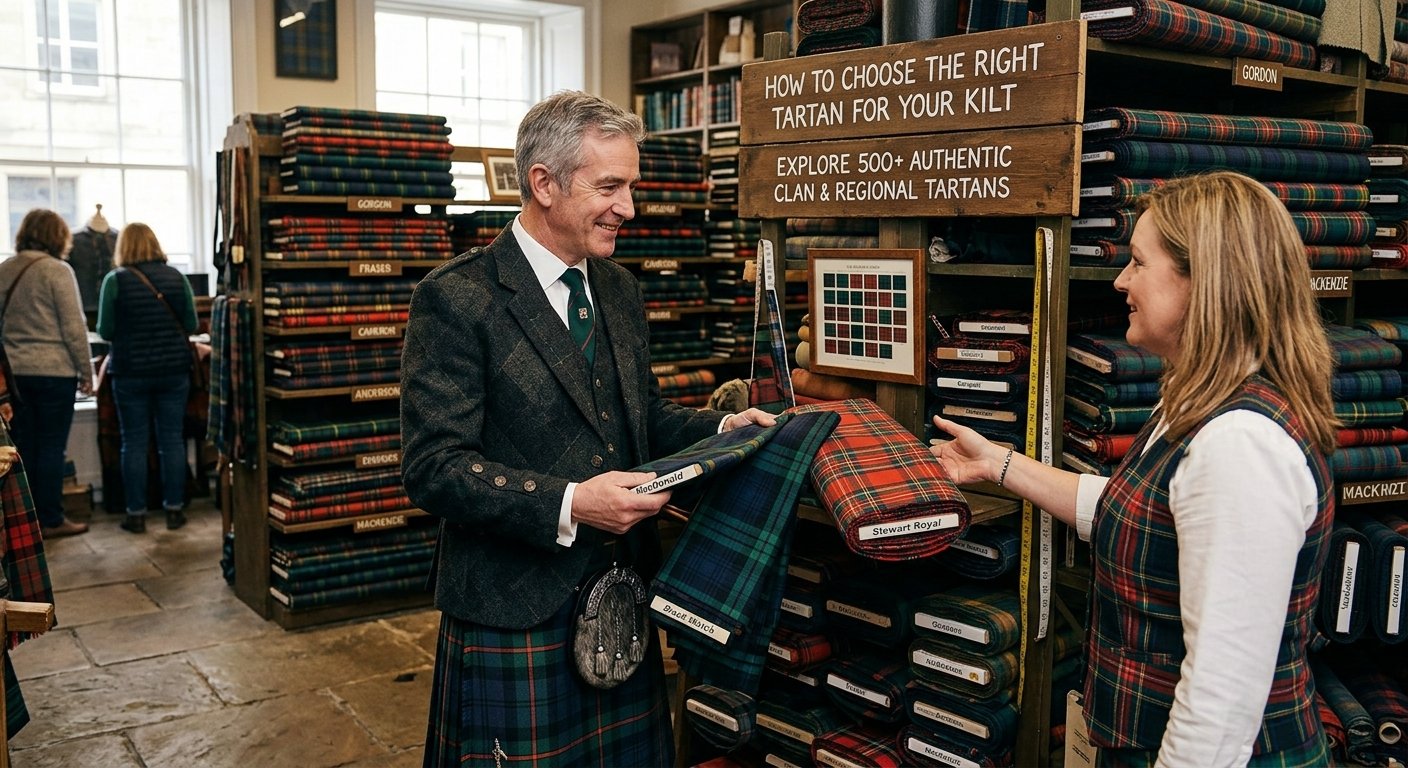
Choosing the right tartan for your kilt is an exciting part of creating a Scottish Highland outfit. Tartan is more than a colorful pattern. It can represent family heritage, regional connections, traditions, personal style, or simply an appreciation for Scottish culture.
With hundreds of tartan patterns available, choosing one can sometimes feel overwhelming. You may wonder whether you should select a clan tartan, a universal design, an Ancient or Modern variation, or simply a pattern that matches your style.
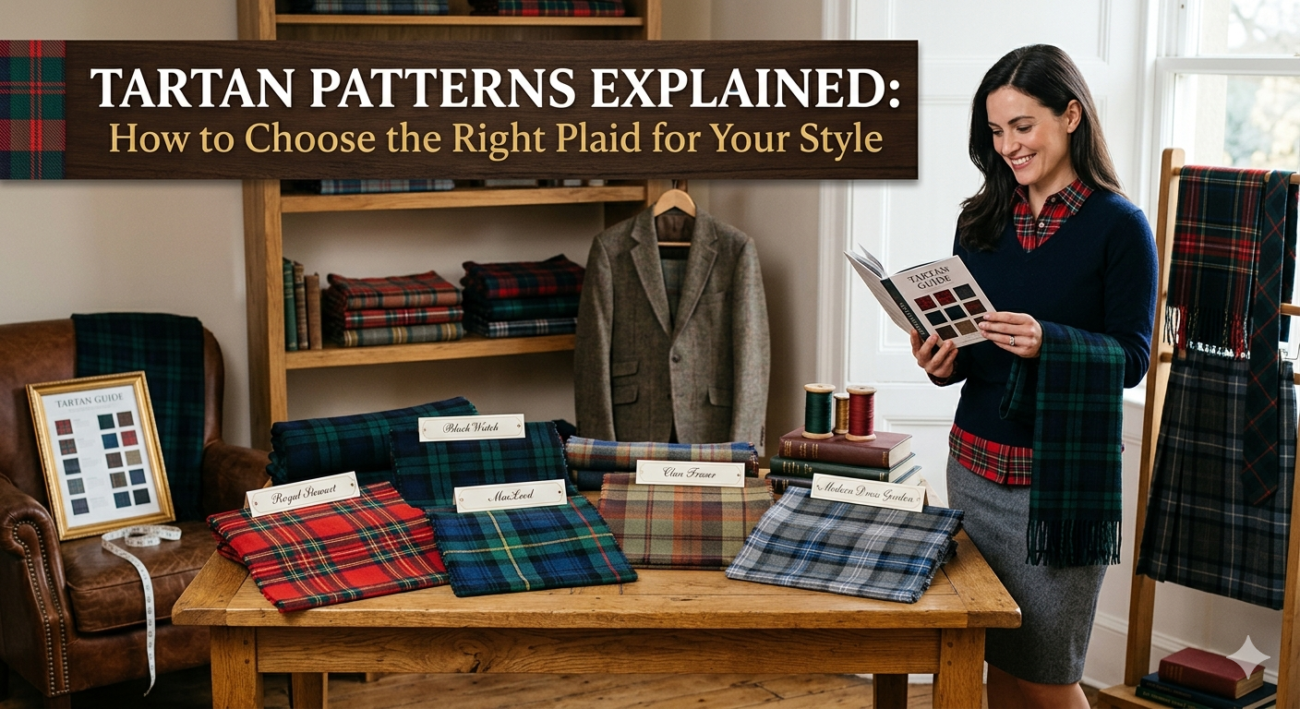
This guide will help you understand the main factors to consider when choosing the right tartan for your kilt.
Understand What Tartan Represents
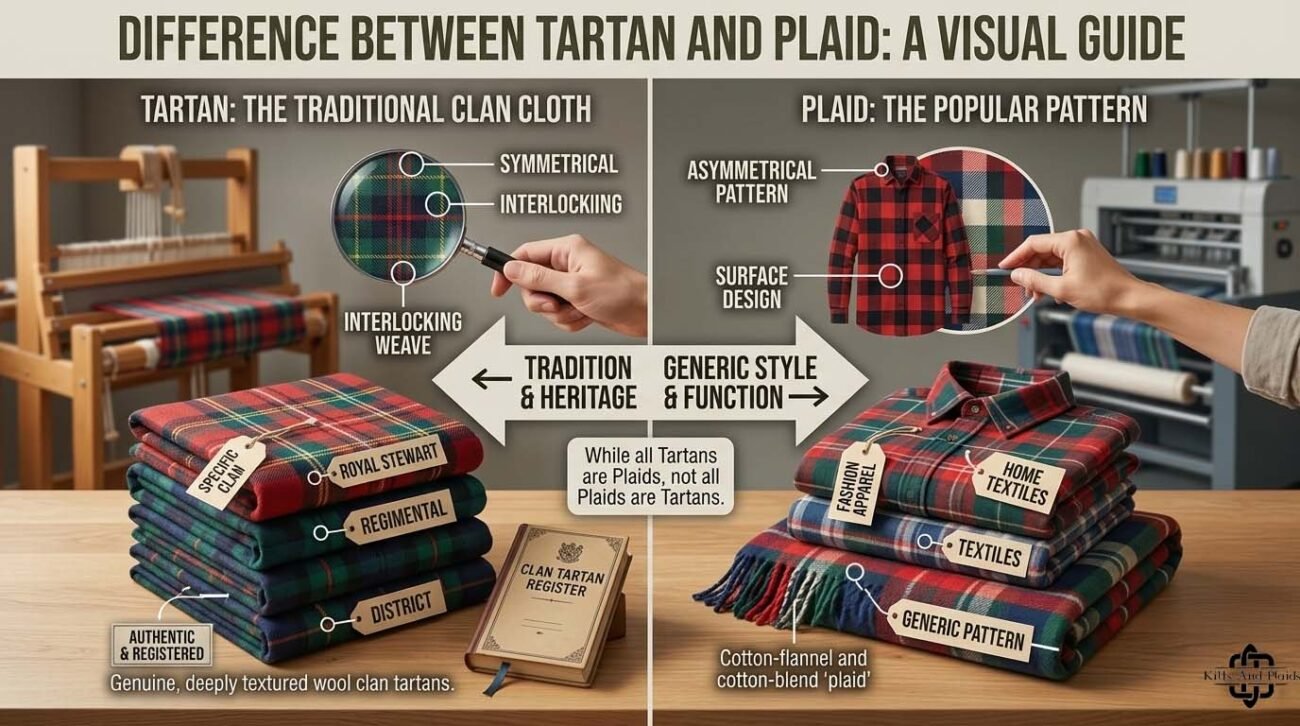
Tartan is a woven fabric made with intersecting horizontal and vertical bands in different colors. The combination of colors, lines, and patterns creates a distinctive sett.
Many tartans are associated with Scottish clans and families. Others represent districts, organizations, military groups, businesses, or broader Scottish and cultural identities. Some tartans are also designed as universal patterns and are not connected to one particular family.
This means you do not always need to have a specific Scottish surname to wear tartan. Your choice can depend on heritage, connection, occasion, or personal preference.
1. Start With Your Family or Clan Tartan
If you have Scottish ancestry, your family or clan tartan can be a meaningful starting point.
Many Scottish clans have recognized tartans associated with their name. If you know your family name and its Scottish connection, you can explore whether a corresponding tartan is available.
A clan tartan can add personal meaning to your kilt and make your outfit feel connected to your heritage.
However, surname connections can be complicated. Some names have multiple spellings, historical associations, or connections to different clans. If you are unsure about your family tartan, research your family history before making your final choice.
2. Consider a Universal Tartan
Not everyone has a clan tartan, and that is perfectly fine.
Universal tartans provide an excellent alternative for people who want to wear a kilt without selecting a family-specific pattern. These designs can feature attractive combinations of colors and are suitable for a wide range of occasions.
A universal tartan can also be a good option if you simply prefer a particular pattern.
When choosing your kilt, remember that personal preference matters. You should feel comfortable and confident in the tartan you wear.
3. Choose Between Ancient, Modern, and Other Variations
Many tartans are available in different color variations. You may encounter names such as Ancient, Modern, Hunting, Weathered, or Reproduction.
These variations can have different color tones and visual appearances.
Ancient Tartan
Ancient versions often use softer or lighter-looking colors. They can create a slightly aged or traditional appearance and may appeal to people who prefer a more subtle color palette.
Modern Tartan
Modern tartans typically feature stronger and deeper colors. They offer a bold appearance and are a popular choice for formal and contemporary Highland outfits.
Hunting Tartan
Hunting tartans often use darker or more muted colors. Historically associated with outdoor settings, these patterns can create a more understated appearance.
Weathered Tartan
Weathered tartans use muted shades that create an aged and rustic appearance. They are a good option if you prefer earthy colors and a vintage-inspired style.
The best variation depends on your personal taste and the overall look you want to achieve.
4. Think About the Occasion
The occasion can help narrow down your options.
For a formal Scottish wedding, you may want a classic clan tartan or a sophisticated pattern that works well with a Prince Charlie jacket, formal sporran, and dress accessories.
For Highland Games, festivals, and cultural events, you have more freedom to choose a bold or distinctive tartan.
If you plan to wear your kilt regularly, choose a versatile pattern that works with several different shirts, jackets, and accessories.
Think about where you expect to wear your kilt before selecting the tartan.
5. Choose Colors You Enjoy
Color is one of the most important factors when selecting tartan.
Some tartans feature deep greens and blues, while others include reds, blacks, yellows, browns, or lighter shades. Consider which colors complement your wardrobe and which ones make you feel confident.
If you already own a kilt jacket, waistcoat, or accessories, look at their colors before choosing your tartan.
For example, a darker tartan can create a sophisticated formal appearance, while a brighter tartan can make the outfit more eye-catching.
There is no single “best” tartan color. The right choice is the one that works for you and your intended outfit.
6. Consider the Fabric
The appearance of a tartan is important, but fabric quality matters just as much.
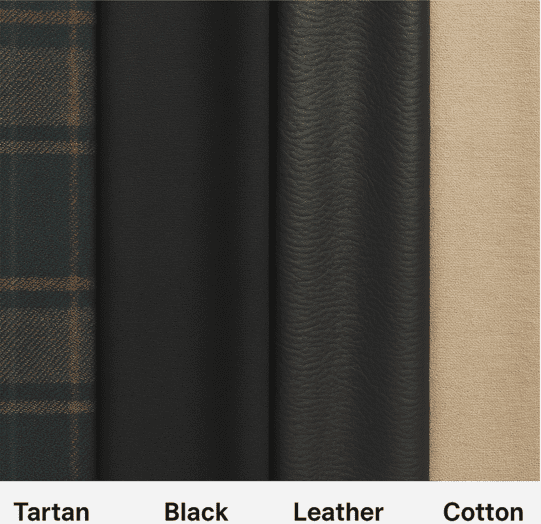
Traditional kilts are often made from wool because wool provides durability, warmth, and a classic appearance. Other fabric options can provide different levels of weight, comfort, and practicality.
If you are selecting tartan fabric for a custom kilt, consider how you plan to use the garment.
A heavier fabric may be ideal for formal Highland wear and cooler weather. A lighter option may be more comfortable for warmer conditions or frequent wear.
Explore different tartan fabrics to compare patterns, colors, and fabric options.
7. Think About the Kilt Style
The tartan should also complement the style of kilt you want.
A traditional 8 yard kilt offers a fuller silhouette and works particularly well with formal Highland clothing. A modern or lightweight kilt can provide a more casual and practical appearance.
If you prefer a classic formal look, consider pairing your chosen tartan with a Traditional 8 Yard Kilt.
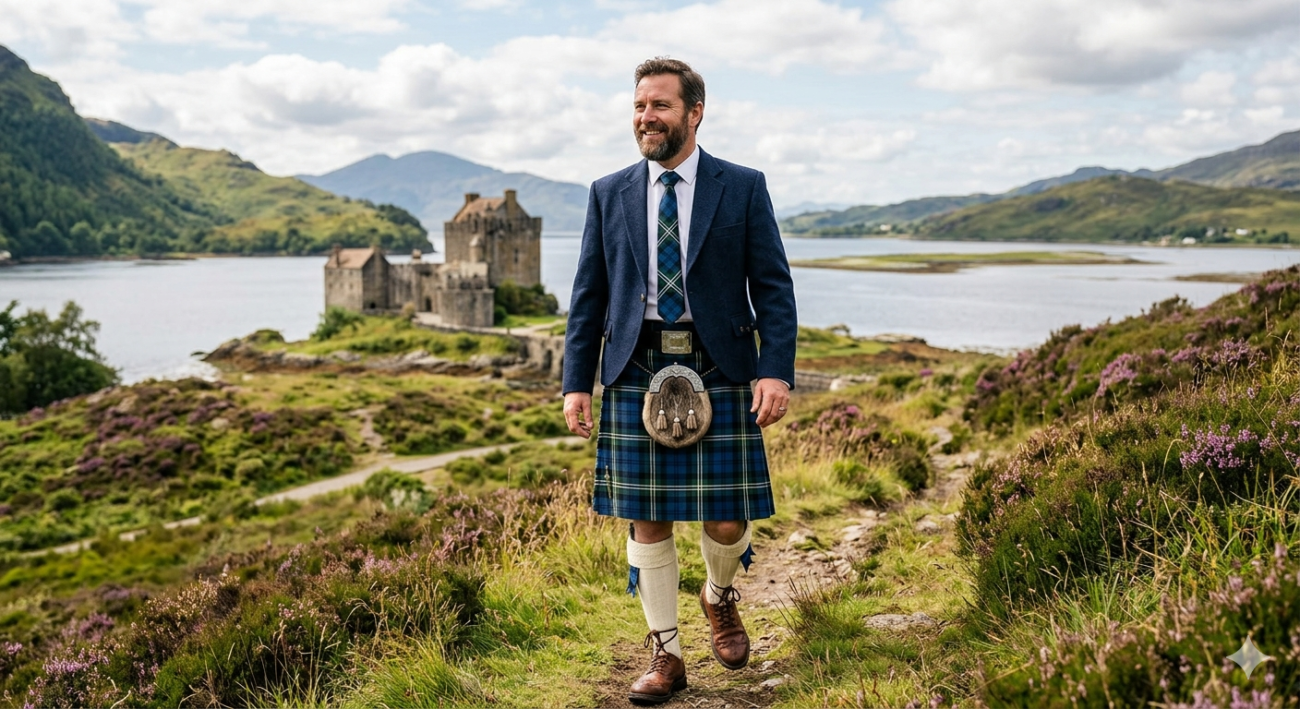
For a complete outfit, think about the jacket, waistcoat, shirt, sporran, hose, footwear, and other accessories you plan to wear.
8. Match Your Accessories Carefully
Your tartan does not have to match every accessory exactly. Instead, aim for coordination.
A traditional sporran can complement both modern and classic tartans. Your belt and buckle can add a subtle formal touch, while flashes can introduce a small accent color.
For formal occasions, a Prince Charlie jacket and waistcoat can create a polished appearance.
Choose accessories that support your tartan rather than competing with its pattern.
9. Consider Your Personal Style
Your kilt should reflect you.
If you enjoy bold colors, select a tartan with a strong contrast. If you prefer understated clothing, look for muted greens, browns, blues, or weathered tones.
Some people prefer traditional clan patterns because of their heritage. Others choose tartans simply because they love the colors and design.
Both approaches are perfectly valid.
A kilt is a personal piece of clothing, so the tartan you choose should make you feel confident.
10. Consider Custom Tartan Options
If you cannot find a traditional tartan that suits your needs, a custom option may be worth considering.
Custom tartans can be created for families, organizations, events, businesses, or special celebrations. A unique pattern allows you to combine meaningful colors and create something that represents your own story.
If you are planning a family gathering, anniversary, wedding, or commemorative event, a custom tartan can provide a memorable way to bring people together.
Common Mistakes to Avoid
Choosing tartan should be enjoyable, but a few common mistakes are worth avoiding.
Choosing Only Based on Color
A tartan may look attractive online but appear different in person. Consider the complete pattern rather than focusing on one color.
Ignoring the Occasion
A tartan that works perfectly for a festival may not be your first choice for a formal wedding. Consider how and where you plan to wear the kilt.
Forgetting Your Existing Wardrobe
If you already own a jacket or accessories, make sure your chosen tartan works with them.
Selecting the Wrong Fabric Weight
Think about the climate and how often you will wear the kilt. Fabric weight can affect comfort and drape.
Overloading the Outfit
Tartan is already visually distinctive. Too many competing colors or accessories can make the outfit look unbalanced.
How to Build a Complete Tartan Kilt Outfit
Once you have chosen your tartan, you can build the rest of your Highland outfit around it.
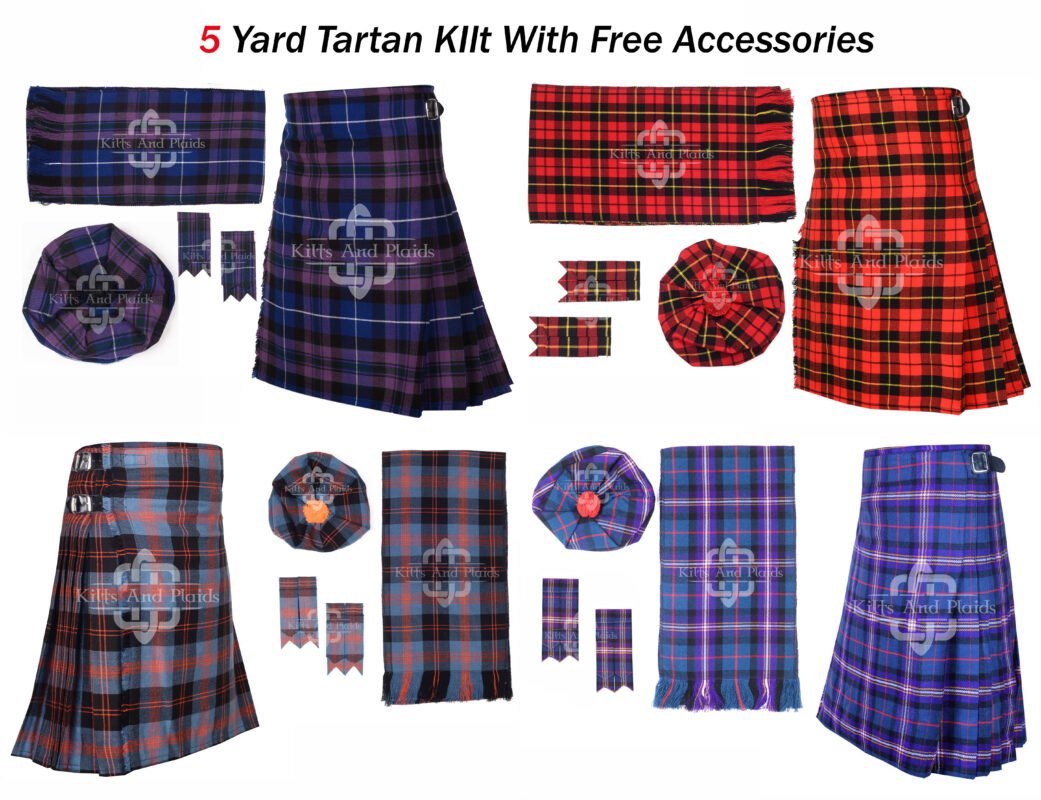
A traditional outfit may include:
- Tartan kilt
- Formal shirt
- Prince Charlie or Argyll jacket
- Matching or complementary waistcoat
- Sporran
- Kilt belt and buckle
- Kilt hose
- Flashes
- Ghillie brogues
- Kilt pin
For formal occasions, classic combinations usually work best. For casual events, you can simplify the outfit and allow the tartan to remain the main feature.
Final Thoughts
Choosing the right tartan for your kilt comes down to a combination of heritage, personal style, occasion, color, fabric, and comfort.
If you have a family tartan, it can provide a meaningful connection to your Scottish heritage. If you do not, a universal tartan gives you plenty of freedom to choose a pattern you genuinely enjoy.
Take your time, explore different designs, and consider how your tartan will work with the rest of your Highland outfit.
At Kilts and Plaids, explore our collection of tartan fabrics and traditional 8 yard kilts to find a style that suits your heritage, personality, and occasion.
The perfect tartan is not simply the one with the most history. It is the one that feels right when you wear it.