
The Timeless Appeal of Kilts: Style, Tradition, and Modern Fashion

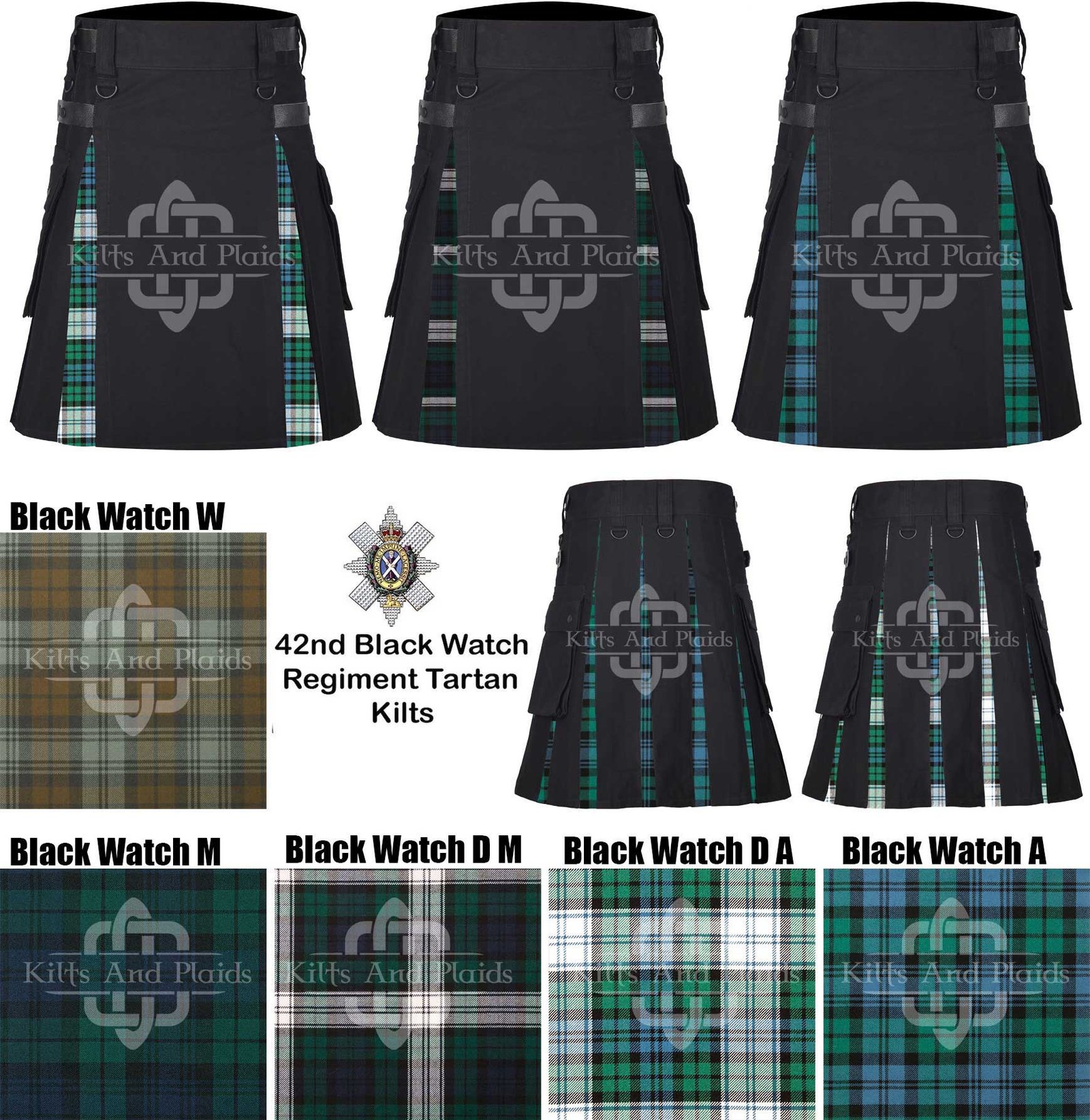
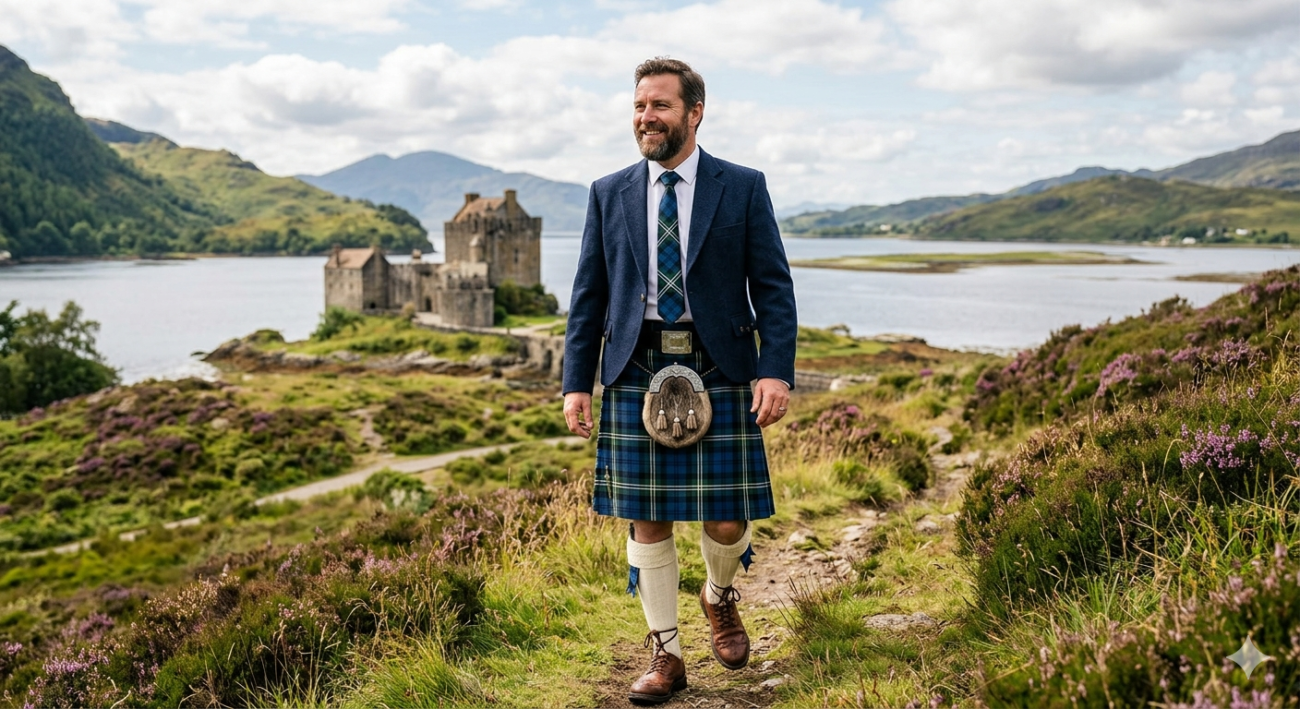
Kilts are more than just garments—they are powerful symbols of heritage, craftsmanship, and timeless style. Originating from Scotland, kilts have evolved from traditional Highland wear into a versatile fashion statement embraced around the world. Whether you’re interested in their cultural roots or considering adding one to your wardrobe, this guide explores everything you need to know about kilts.
A Brief History of Kilts
The kilt dates back to the 16th century in the Scottish Highlands. Originally known as the “great kilt” (or feileadh mòr), it was a full-length garment that could be worn as both clothing and a blanket. Over time, it evolved into the modern “small kilt” (feileadh beag), which is the knee-length version most people recognize today.
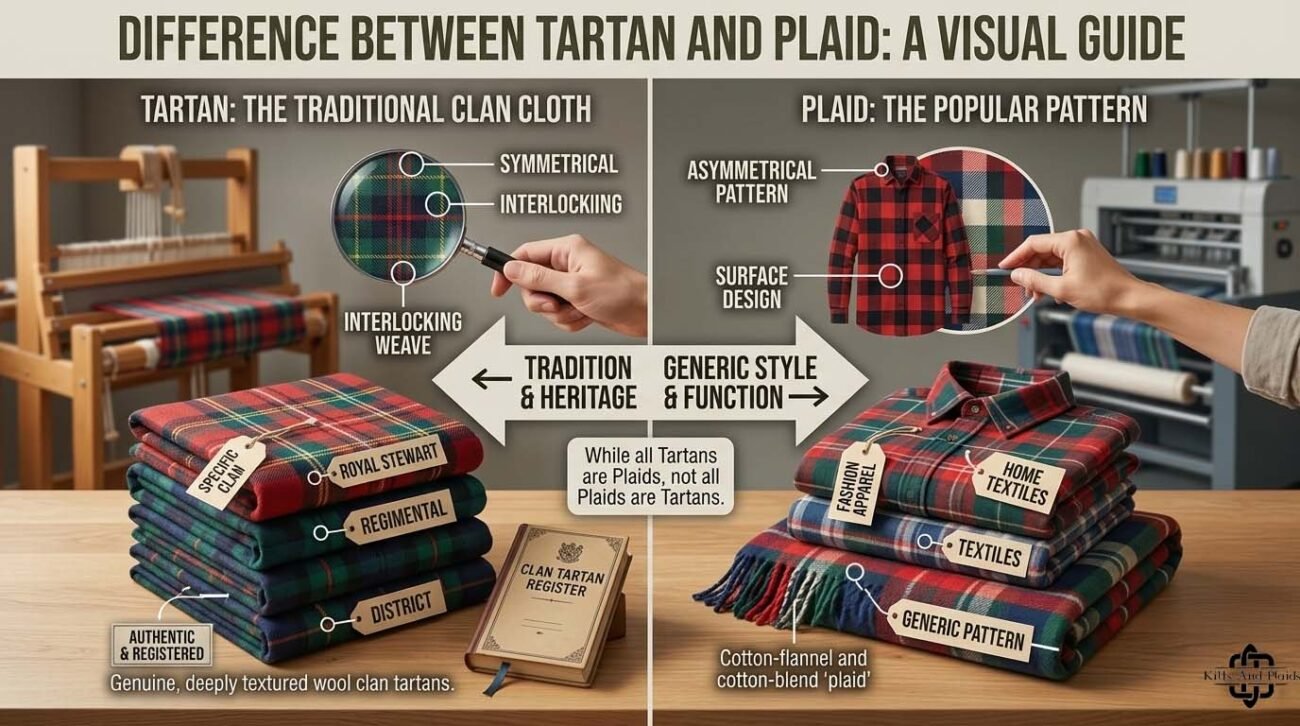
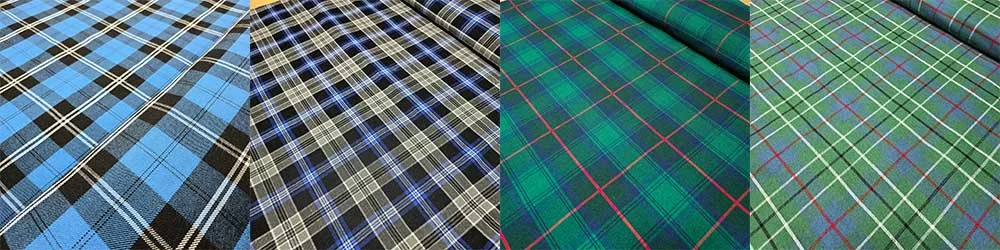
Kilts were traditionally made from wool and featured tartan patterns representing different clans or regions. These patterns held deep cultural significance, helping to identify family lineage and heritage.
Why Kilts Are Still Popular Today
Kilts have stood the test of time for several reasons:
1. Cultural Significance
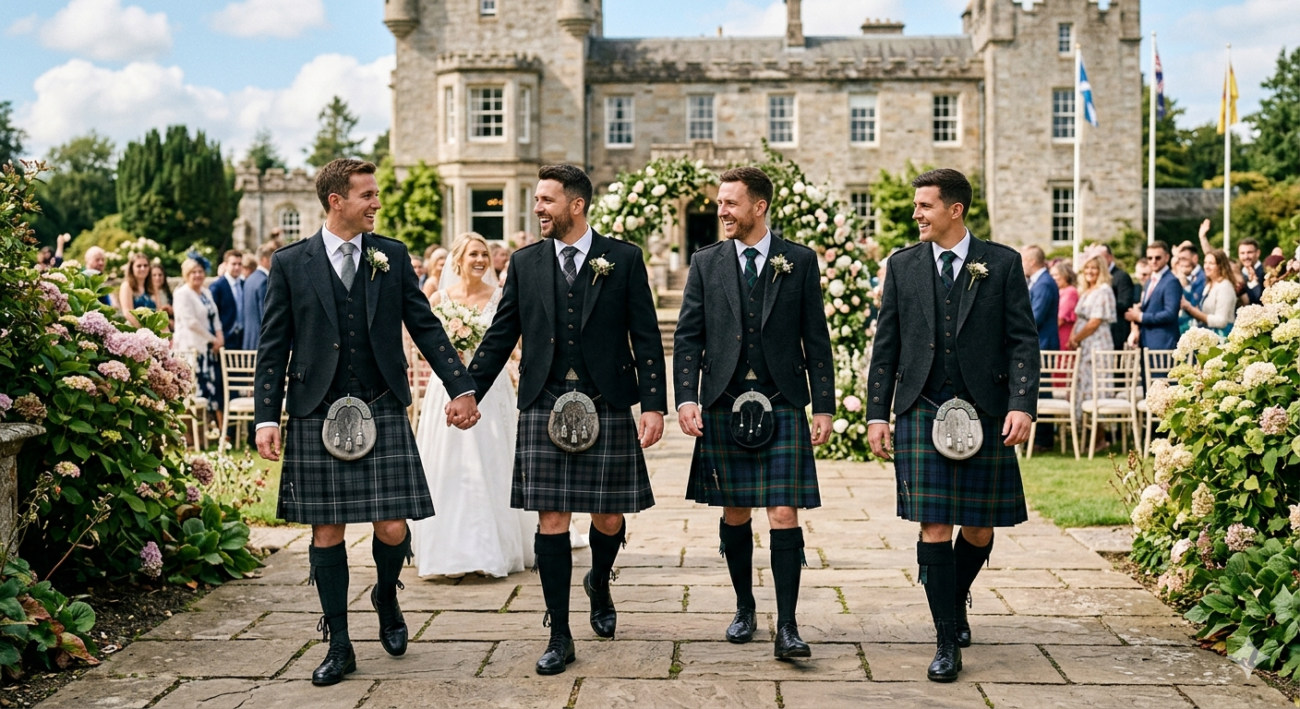
Kilts remain a proud symbol of Scottish identity and are worn at weddings, festivals, and national celebrations. They connect wearers to a rich and meaningful history.
2. Unique Style
In a world of repetitive fashion, kilts stand out. Their bold patterns and structured design make them eye-catching and distinctive.
3. Comfort and Functionality
Modern kilts are designed with comfort in mind. Many feature adjustable straps, breathable fabrics, and even pockets, making them practical for everyday wear.
4. Versatility
Kilts are no longer limited to formal events. Today, you can find casual kilts, utility kilts, and even hybrid designs that blend tradition with modern fashion trends.
Types of Kilts
If you’re new to kilts, here are some popular types:
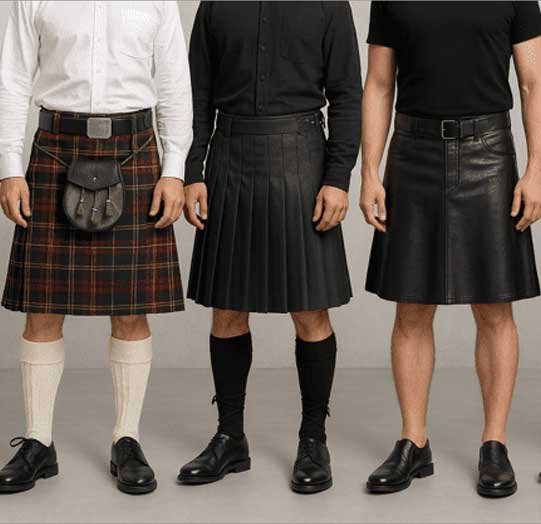
- Traditional Kilts – Made from wool with authentic tartan patterns, ideal for formal occasions.
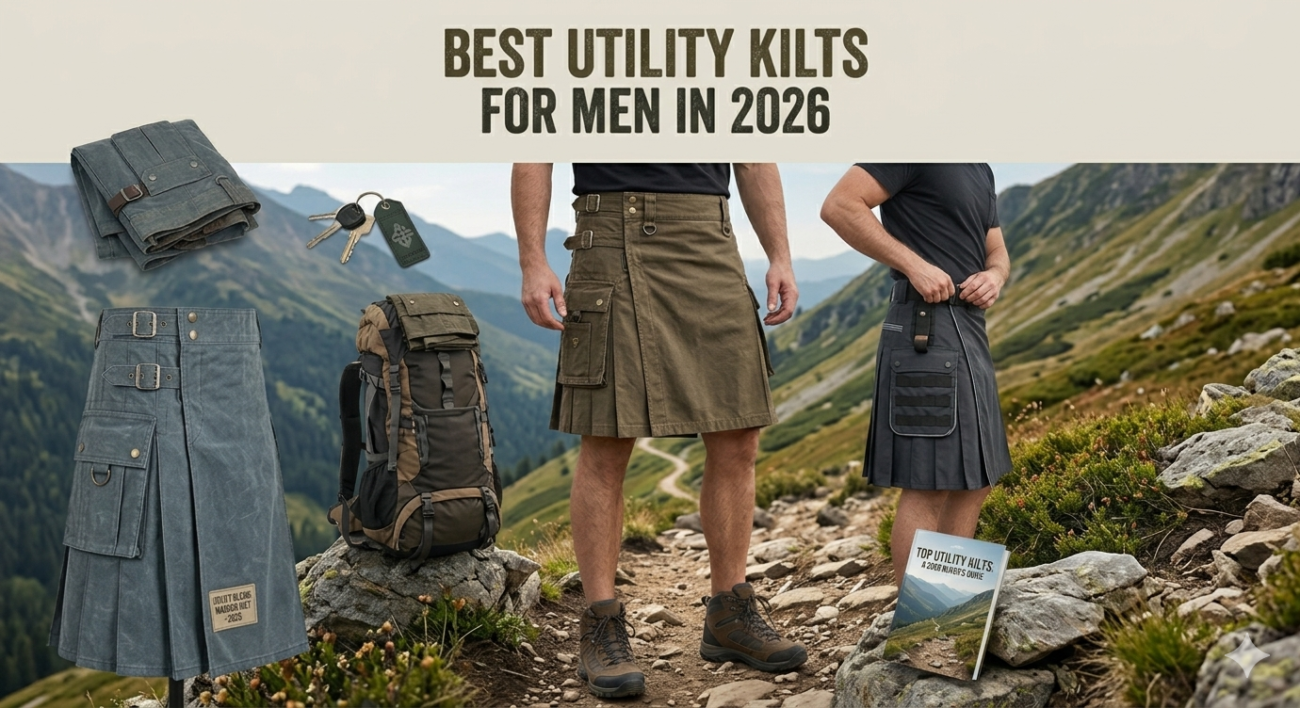
- Utility Kilts – Designed for everyday wear, often made from cotton with pockets and a more rugged look.
- 8-yard kilts – pinnacle of traditional Highland dress, crafted with generous fabric
- Hybrid Kilts – A mix of traditional tartan and contemporary materials.
How to Style a Kilt
Styling a kilt depends on the occasion:
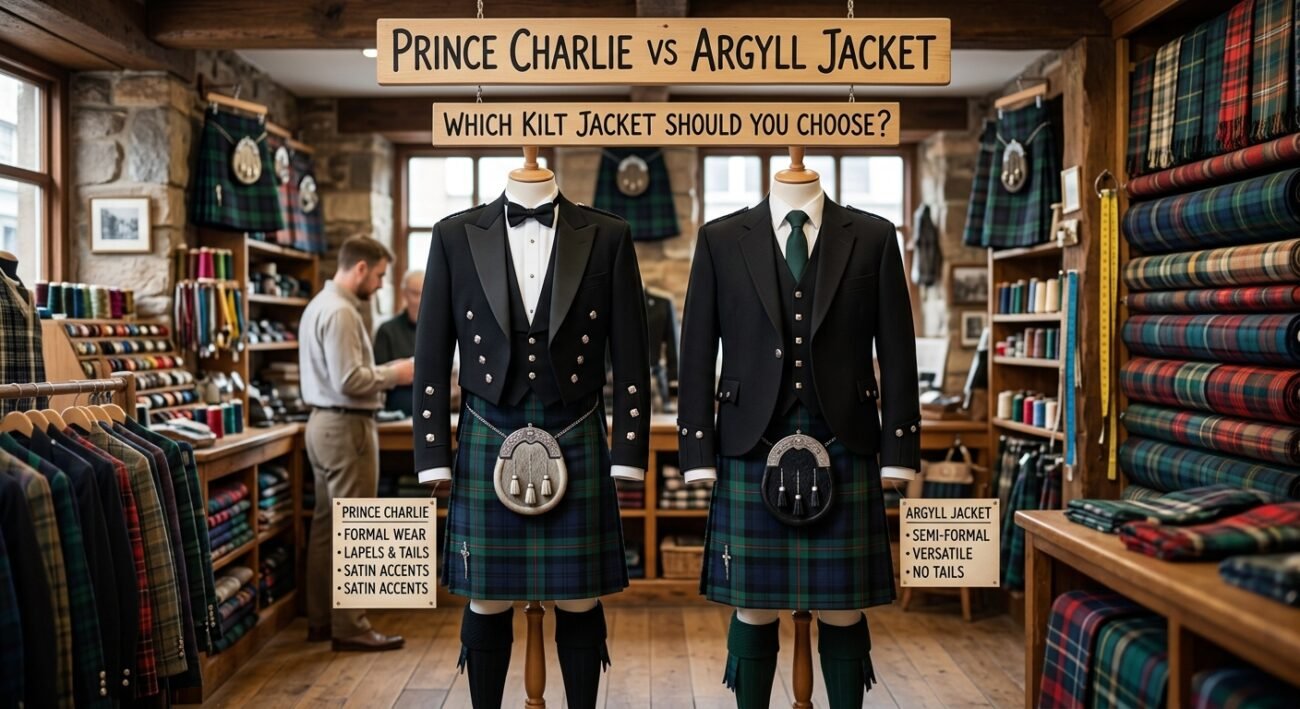
- Formal Events: Pair with a dress shirt, waistcoat, and jacket. Add traditional accessories like a sporran and kilt hose.
- Casual Wear: Combine with a simple t-shirt or polo shirt and boots or sneakers.
- Modern Look: Experiment with leather jackets or hoodies for a bold, urban style.
Choosing the Right Kilt
When selecting a kilt, consider the following factors:
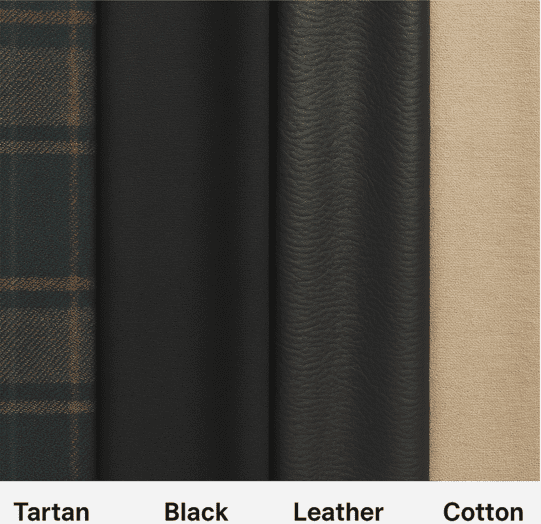
- Material: Wool for tradition, cotton or denim for comfort and casual use.
- Fit: Ensure it sits properly at the waist and falls to the knee.
- Purpose: Decide whether you need it for formal events, daily wear, or fashion.
- Pattern: Choose a tartan that resonates with your style or heritage.
Kilts in Modern Fashion
Kilts have made their way into global fashion scenes, appearing in runway shows, music performances, and streetwear. Designers continue to reinvent the kilt, proving that this ancient garment still has a place in contemporary style.
Celebrities and influencers have also embraced kilts, helping to redefine them as bold and confident fashion choices rather than niche cultural attire.
Final Thoughts
Kilts are a perfect blend of tradition and modernity. Whether you wear one to honor heritage or to make a fashion statement, a kilt offers unmatched uniqueness and versatility. As fashion continues to evolve, kilts remain a powerful reminder that some styles truly never go out of fashion.
If you’re looking to stand out while embracing history, a kilt might just be the perfect addition to your wardrobe. Visit our website for to see more.